Open Banking Rule (CFPB Section 1033) Practical Playbooks for SMB SaaS 2025
Introduction: Why 2025 Is the Defining Year for Open Banking
The financial services industry is at a turning point in 2025. With the CFPB’s Section 1033 Open Banking Rule being finalized, how small and medium-sized businesses connect to financial data is about to be redefined. This moment represents both a compliance challenge and a growth opportunity for SaaS providers, especially those building CRMs, accounting tools, and lending dashboards. The rule establishes that consumers and businesses should have the right to access and share their financial data with authorized third-party applications in real-time. This shift opens the door for SMB SaaS products to deliver smarter financial insights, automated lending workflows, and predictive analytics, but only if they prepare correctly.
The Core of Section 1033: Data Portability as a Service
Section 1033 is not just a compliance requirement—it is a structural mandate that turns financial data into a standardized, portable layer. In practice, this means that a small business owner can instruct their bank to share transaction histories, account details, and payment flows with an SMB SaaS platform seamlessly. For SaaS builders, this creates a new foundation for building credit risk models, real-time cash flow analytics, and embedded lending tools. Instead of relying on static uploads or manual reconciliation, SaaS products can now design experiences where data is streamed securely from financial institutions into dashboards. This type of portability unlocks “data-as-a-service,” where the SaaS provider becomes a true financial operating system for SMBs.
AI-Led Compliance Engines for Open Banking
Most articles cover the surface benefits of open banking, but what is rarely discussed is the role of embedded AI compliance engines. In 2025, compliance will no longer be static documentation but rather a real-time auditing system. SMB SaaS platforms can embed machine learning modules that check whether data being transferred is consistent with 1033 guidelines. For example, if a business grants access to its HSBC Premier Banking USA accounts, the compliance AI can validate tokenization, scope of consent, and expiration timelines automatically. By building invisible compliance infrastructure, SaaS providers not only avoid penalties but also gain trust from SMBs who otherwise worry about data misuse.
Building Practical Playbooks: Integration with Multi-Bank APIs
The most practical step for SaaS providers is to develop playbooks that define exactly how integrations with different banks should occur. For instance, connecting with JPMorgan, Wells Fargo, and HSBC Premier Banking USA will not look identical. APIs, consent frameworks, and refresh tokens will vary, and without standard playbooks, development teams risk fragmentation. A forward-looking SaaS should build a “bank connectivity library” that treats each integration as modular but feeds into a common data normalization layer. This hidden architecture ensures that whether the SMB client banks with a regional credit union or a global bank, the SaaS experience remains consistent.
Consent Lifecycle Managers Embedded in CRMs
One of the least talked about needs in 2025 is the creation of embedded consent lifecycle managers inside CRM platforms. Current CRMs track leads, pipelines, and follow-ups, but with open banking integrations, they must also track when a customer is permitted to access data, how long that permission lasts, and whether it has been revoked. A CRM that quietly manages this behind the scenes becomes a strategic advantage. Imagine a loan officer working inside a CRM that automatically refreshes a client’s transaction feeds because the consent lifecycle was extended without manual input. This kind of hidden tool will set apart serious SaaS players from generic financial platforms.
Open Banking vs Traditional Aggregators: The Comparison Table
To understand why Section 1033 is transformative, it helps to compare it to traditional financial data aggregators that relied heavily on screen scraping and credential sharing.
| Feature | Traditional Aggregators | Section 1033 Open Banking |
|---|---|---|
| Data Access | Screen scraping via passwords | Secure APIs with tokens |
| Compliance | Minimal, fragile | Regulatory-backed rights |
| Reliability | Error-prone, delays | Real-time, standardized |
| Trust | Low due to credential sharing | High due to legal framework |
| Business Use Case | Limited to read-only data | Full data portability, actionable workflows |
This comparison shows that SMB SaaS platforms can finally operate in a world where reliability and compliance are not afterthoughts but baked into infrastructure.
Invisible Underwriting Using Transaction Graphs
While most SaaS tools will simply import transaction data, forward-thinking platforms can generate “transaction graphs” where the flow of money between vendors, clients, and payroll providers is mapped. This invisible underwriting allows SMB lenders to calculate repayment ability not by credit score alone but by real-time network analysis. An SMB that pays vendors early, maintains steady inflows from recurring customers, and has minimal seasonality signals a lower risk than raw credit files suggest. Embedding such underwriting tools inside CRMs is a hidden opportunity for 2025 that few platforms have yet to exploit.
Voice-Activated Open Banking Requests
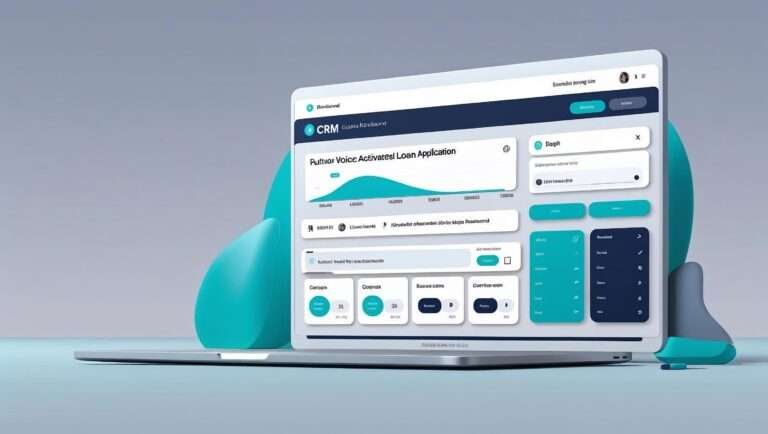
Another rarely discussed dimension is voice-activated financial data requests. As CRMs adopt voice assistants, imagine an SMB owner saying, “Fetch last quarter’s HSBC Premier Banking USA cash flow and reconcile it with outstanding invoices.” The CRM executes the request instantly via open banking APIs. This makes compliance invisible and functionality natural, bringing enterprise-grade capabilities into small business environments. The market is just beginning to explore this fusion of voice and open banking, and first movers will gain disproportionate brand loyalty.
The Role of Global Banks: HSBC Premier Banking USA as a Case Study
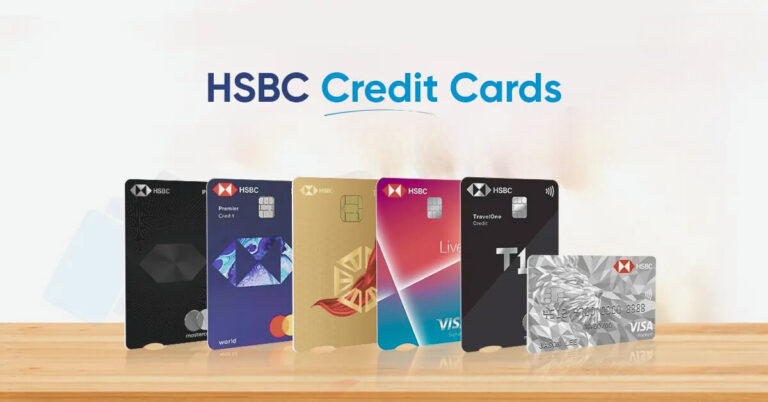
HSBC Premier Banking USA is uniquely positioned in this transition because it already emphasizes multi-currency accounts and international data portability. For SMB SaaS platforms serving importers, exporters, or cross-border service providers, HSBC integrations will become high-value. By aligning with banks that understand global flows, SaaS developers can differentiate themselves in a crowded domestic-only marketplace. The hidden playbook here is to build specialized workflows for multi-currency data streaming, such as automating foreign exchange entries directly in accounting dashboards.
FAQs: Addressing SMB Concerns in 2025
Q1: Does Section 1033 mean every bank must allow my SaaS to access data?
Yes, but only with customer consent and through standardized APIs. Banks cannot block access when legitimate permission is given.
Q2: Is there a risk of fraud when granting access?
The rule mandates security standards, but SaaS providers should still deploy fraud-detection widgets that analyze suspicious patterns in login and transaction requests.
Q3: How will this impact SMB lending approvals?
Approvals will become faster because lenders can access live financial health data instead of waiting for outdated statements.
Q4: Can SMB SaaS platforms monetize this shift?
Yes, by offering premium features like cash flow forecasting, automated loan eligibility checks, and integrated tax compliance modules.
Post-Compliance Monetization Strategies
Compliance often gets framed as a burden, but the evergreen opportunity is monetization. Once data flows legally and securely, SaaS providers can layer financial products on top. Subscription-based lending insights, dynamic credit lines, or integrated insurance quotes can all be built once the compliance backbone is in place. This means that even five years from now, the SaaS platforms that invested early in Section 1033 readiness will continue to reap revenue benefits.
Conclusion: The Long-Term Play for SMB SaaS in Open Banking
Section 1033 of the CFPB Open Banking Rule is not a passing regulation; it is the infrastructure shift that defines finance in the next decade. For SMB SaaS, this is the chance to stop being passive tools and start becoming active financial ecosystems. By embedding hidden compliance engines, consent lifecycle managers, transaction graphs, and even voice-enabled integrations, SaaS developers can leapfrog competitors. Banks like HSBC Premier Banking USA will act as gateways for global business flows, giving an edge to SaaS products that integrate deeply and intelligently. In 2025 and beyond, those who view compliance as a growth engine, not a regulatory checkbox, will dominate the SMB financial technology landscape.