Introduction
The world of lending has already undergone a digital transformation, but 2025 marks a new milestone with post-disbursement loan reminder workflows embedded directly into CRM automation. Traditionally, financial institutions focused heavily on loan origination and approval processes, often neglecting the borrower’s journey after disbursement. This gap led to missed repayments, compliance risks, and strained lender-borrower relationships. Today, thanks to AI, predictive analytics, and embedded CRM tools, lenders are creating seamless post-disbursement ecosystems that not only automate repayment reminders but also personalize them to align with borrower behavior, transaction history, and real-time financial standing.
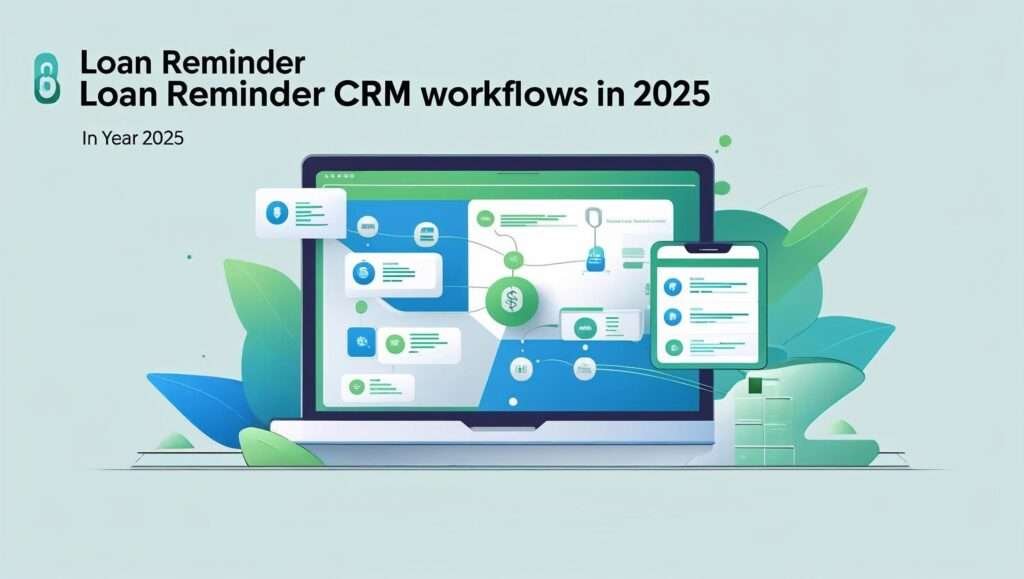
Why Post-Disbursement Loan Reminders Matter in 2025
In 2025, lenders are no longer competing only on interest rates; instead, they are competing on borrower experience and loan lifecycle management. A well-designed post-disbursement loan reminder workflow ensures that repayments remain consistent, default rates decrease, and customer trust strengthens. For borrowers, this automation eliminates the stress of missed due dates, while lenders gain a reliable stream of cash flow. Unlike earlier reminder systems that relied on generic SMS or email alerts, modern CRM-driven reminders are dynamic, context-aware, and adaptive to changing borrower circumstances.
The Evolution from Static Reminders to Adaptive CRM Workflows
Older loan reminder systems were rigid and often ignored borrower realities such as income cycles, trade seasonality, or emergency financial disruptions. CRM-driven workflows in 2025 are highly flexible. They integrate with banking APIs, payroll systems, and even digital wallets, automatically adjusting reminder schedules. For example, if a borrower receives late payments from clients, the CRM can detect cash-flow gaps and recalibrate repayment reminders accordingly. This ensures a relationship-centric rather than penalty-centric approach to repayment.
AI-Powered Predictive Loan Reminders
One of the hidden innovations in 2025 is predictive loan reminder technology. Rather than sending reminders at fixed dates, AI models embedded in CRM ecosystems analyze borrower cash inflows, purchase orders, and even trade credit history to predict repayment readiness. This makes reminders proactive instead of reactive. Borrowers appreciate the system’s empathy, and lenders reduce the risk of defaults. The system works almost like a financial wellness assistant, guiding borrowers through repayment while protecting lenders’ credit portfolios.
Integration of Voice-Activated and Conversational Workflows
A trending but less explored area is the use of voice-activated loan reminders through CRM dashboards. Borrowers can now interact with their reminders using virtual assistants embedded in banking apps or CRM portals. Instead of a static email, a borrower may receive a voice notification: “Your micro-trade loan repayment of $2,500 is due in 5 days. Would you like to schedule an early repayment?” This conversational workflow not only increases engagement but also improves repayment compliance because borrowers feel attended to in real-time.
Multi-Currency Reminders for Global Borrowers
One challenge in 2025 is managing multi-currency loan products, especially for small businesses dealing with international trade. Post-disbursement CRM workflows now include automatic currency conversion in reminders, ensuring borrowers know the exact repayment amount in their preferred currency. This feature is particularly important for HSBC Premier Banking USA clients managing global trade loans. The ability to sync multi-currency repayment reminders with FX rates adds a layer of accuracy that was previously missing in financial CRM systems.
Real-Time Compliance Integration
Another hidden advancement is real-time compliance synchronization in loan reminder workflows. Regulators worldwide are tightening repayment communication standards to protect borrowers from harassment or misinformation. CRM systems now embed compliance rules into reminder workflows, ensuring that all notifications follow legal guidelines. This protects lenders from penalties and ensures borrowers receive professional, transparent communication throughout the repayment cycle.
Hidden Tools Driving Loan Reminder Automation in 2025
While mainstream CRMs such as Salesforce and HubSpot are well known, 2025 is seeing a surge of specialized micro-loan CRM tools that focus exclusively on post-disbursement workflows. Some of these hidden tools include AI plug-ins that detect repayment stress from borrower spending behavior, blockchain-based smart contracts that trigger reminders when specific conditions are met, and gamified repayment portals where borrowers earn small rewards for on-time repayments. These tools are shaping the next generation of borrower-lender engagement.
Case Study: Adaptive Reminders for SMB Trade Loans
Consider a small importer in New York taking a micro-trade loan denominated in multiple currencies. Without automation, repayment reminders may arrive late or with incorrect currency values, leading to confusion and delays. With CRM automation, however, the system automatically syncs with purchase orders, calculates repayment readiness, adjusts for FX conversion, and issues precise reminders. This reduces operational friction for both borrower and lender, creating a seamless repayment ecosystem.
Comparison Table: Old vs. New Loan Reminder Systems
| Feature | Old Reminder Systems (Pre-2020) | CRM-Automated Workflows (2025) |
|---|---|---|
| Reminder Format | Static SMS/Email | AI-driven, personalized, voice-activated |
| Multi-Currency Support | Limited or manual | Fully automated with FX sync |
| Compliance | Manual tracking | Real-time automated compliance |
| Adaptability | Fixed repayment dates | Adaptive to borrower cash flows |
| Borrower Experience | Generic and transactional | Human-like, empathetic, engaging |
FAQs on Post-Disbursement Loan Reminder Workflows
Q1: How do CRM-based reminders reduce loan defaults?
They use predictive analytics to adjust reminders to borrower cash flow, improving repayment consistency.
Q2: Are voice-activated loan reminders secure?
Yes, most are integrated with biometric authentication and multi-factor security protocols.
Q3: Can borrowers negotiate repayment schedules through CRM reminders?
In 2025, many CRMs allow borrowers to request rescheduling directly from automated reminders.
Q4: How does HSBC Premier Banking USA use these workflows?
HSBC integrates multi-currency repayment reminders tailored for global clients managing cross-border loans.
Q5: Will AI-driven reminders replace human loan officers?
No, they augment human officers by automating routine tasks while officers focus on complex borrower relationships.
Future of Loan Reminder Automation: Beyond 2025
Looking ahead, CRM automation will evolve into self-healing loan ecosystems, where repayment schedules not only adapt to borrower conditions but also provide real-time restructuring offers. For example, if AI detects a borrower’s revenue disruption, it could automatically extend repayment deadlines or suggest refinancing options. This evolution positions loan reminder workflows as not just tools for repayment management but as strategic financial advisors embedded within CRM systems.
Conclusion
Post-disbursement loan reminder workflows in 2025 are no longer just about reminders—they represent a new era of borrower engagement, compliance automation, and financial personalization. By embedding AI, blockchain, and predictive analytics into CRM systems, lenders ensure higher repayment performance while borrowers gain flexibility and trust. With innovations such as multi-currency reminders, voice-activated notifications, and compliance-driven automation, these workflows have become the backbone of modern finance. As HSBC Premier Banking USA and other global players adopt these systems, the future of lending is shifting toward intelligent, adaptive, and human-centric repayment ecosystems.