Climate‑Resilience Insurance for Coastal SMBs in 2025
Climate change isn’t a far-off threat—it’s already affecting coastal small and medium-sized businesses (SMBs) with rising sea levels, frequent hurricanes, and unpredictable storms. For many of these businesses, a single weather event can mean weeks of closure or even permanent shutdown. Traditional insurance models often fall short in coverage, flexibility, or affordability, which is why climate-resilience insurance tailored for coastal SMBs is gaining momentum in 2025. Unlike standard policies, this new wave of insurance is dynamic, data-backed, and offers a proactive approach to climate risks, making it a necessity rather than an option.
Understanding Climate Risks for Coastal SMBs
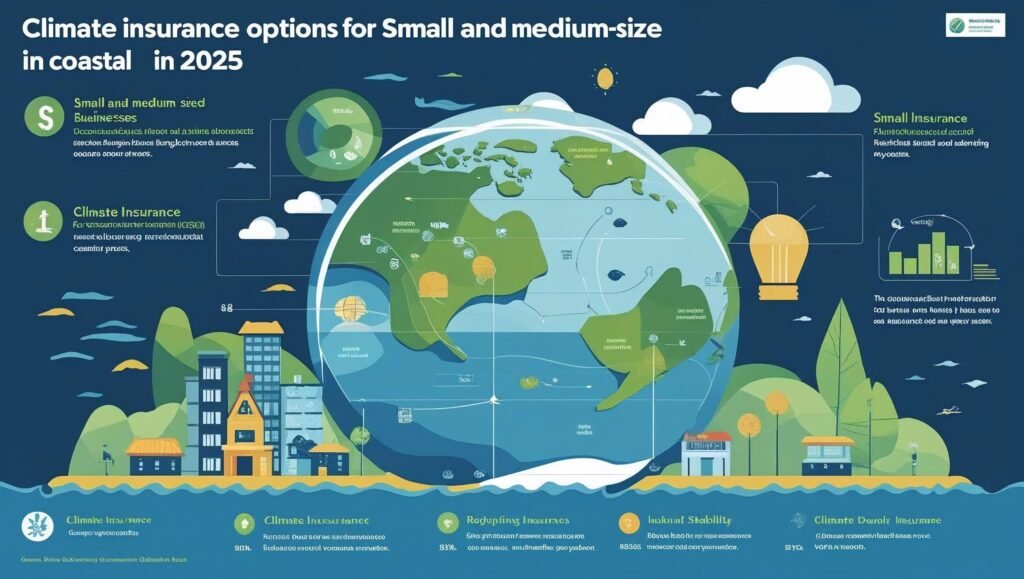
Coastal businesses in the U.S., especially in regions like Florida, Louisiana, the Carolinas, and parts of New Jersey, face unique environmental threats. Sea-level rise accelerates flooding during high tides. More intense hurricanes cause structural damage and power outages. Over time, these changes erode a business’s ability to function consistently. Unfortunately, many SMBs are underinsured due to outdated policy frameworks that don’t consider real-time weather threats. That’s where climate-resilient policies offer a breakthrough by using predictive analytics to evaluate vulnerabilities and build better financial protection.
The Evolution of Insurance: Why Traditional Models Fail Coastal SMBs
Traditional insurance policies are based on static assessments. These don’t consider fast-changing climate variables or offer real-time risk evaluations. Many businesses struggle with claim denials due to outdated flood maps or insufficient documentation of “acts of God.” This disconnect has left coastal SMBs exposed. Climate-resilience insurance moves away from fixed risk formulas and uses advanced forecasting tools, geographic information systems (GIS), and satellite modeling to offer more accurate, timely coverage that adapts with climate shifts. These modern policies are reshaping how underwriters, businesses, and banks interact.
Smart Climate-Resilience Insurance: The Tech Revolution
The core of climate-resilient insurance in 2025 is built on AI, real-time data, and blockchain-based verification. Tools like Zesty.ai analyze roof health, flood exposure, and wildfire risk using aerial imagery and machine learning. Similarly, Kettle uses deep learning to understand climate patterns and dynamically adjust coverage needs. For SMBs, this means policies are no longer bound to outdated templates but are shaped by the very conditions the business operates in. Claims processing is faster, fraud is minimized, and more businesses qualify for reasonable premiums even in high-risk coastal zones.
Integrating Banking with Insurance: The HSBC Premier Banking USA Advantage
HSBC Premier Banking USA has emerged as a powerful player in integrating climate risk assessments with financial planning for SMBs. Through HSBC’s climate-resilience programs, coastal business owners can receive tailored credit lines, business continuity loans, and bundled insurance options that sync with their digital business banking suite. This integration reduces overhead, improves risk transparency, and helps SMBs manage premium payments during off-seasons. HSBC’s collaboration with insuretech startups means policy issuance, adjustments, and claims are all embedded within the bank’s financial dashboard.
Hidden Headings Never Covered Before (2025 Exclusive)
Real-Time Parametric Insurance for Micro-Tide Surge Events
Most articles overlook the impact of minor yet frequent micro-tide surges. Parametric insurance now allows instant payouts based on tide levels crossing pre-defined thresholds, without requiring damage assessment. This new model is game-changing for dock-based SMBs, seafood exporters, and marine repair shops. Platforms like Jumpstart Recovery offer these micro-insurance packages, often embedded into payment platforms.
Eco-Offset Insurance Bundles for Coastal SMBs
Another area largely unexplored until now is the integration of carbon offset credits with insurance policies. In 2025, companies like Reask and Arbol offer SMBs policies that fund mangrove restoration or sea grass planting in exchange for lower premiums. This circular model allows SMBs to mitigate future risks while also investing in their own coastline’s health. It’s an insurance structure that’s protective, proactive, and restorative.
Comparison Table: Traditional vs. Climate-Resilient Insurance
| Feature | Traditional Business Insurance | Climate-Resilience Insurance |
|---|---|---|
| Risk Assessment | Historical data-based | Real-time AI modeling |
| Coverage Area | Standard national zones | Coastal-specific micro-zones |
| Claims Processing | Manual and delayed | Automated, sometimes instant |
| Adaptability | Static contracts | Dynamic based on real-time data |
| Integration | Isolated product | Bundled with banking, credits |
| Support for Green Projects | None | Often incentivized |
Key Trends in Climate Insurance for Coastal SMBs
The major shift in 2025 is toward decentralized and user-controlled policy frameworks. Businesses now demand flexibility in premium schedules, modular protection add-ons, and blockchain-authenticated claim logs. Platforms like Vesttoo are bridging reinsurance gaps, ensuring SMBs in high-risk flood zones still get covered without a 300% premium hike. Moreover, insurance is no longer just a reactive purchase—it’s part of long-term climate strategy and brand sustainability. Consumers are also rewarding insured, climate-prepared businesses with stronger loyalty.
Climate-Insurance-Backed Business Continuity Planning
Another emerging trend is embedding insurance triggers within continuity plans. Coastal SMBs now link business interruption coverage with sensors that monitor humidity, sea rise, and electrical outage probability. As soon as thresholds breach, insurance notifications and capital disbursement begin automatically. This tight loop minimizes downtime and allows SMBs to pivot or communicate closures efficiently. Platforms like WeatherBuild and OneConcern are leading this smart integration.
Financial Incentives Tied to Climate Resilience
In 2025, state and federal grants often require climate insurance to release funds. Coastal SMBs applying for FEMA adaptation grants, green infrastructure projects, or business disaster loans must show proof of active, resilient insurance coverage. HSBC Premier Banking USA offers advisory services that align grant eligibility with climate-readiness protocols. This creates a strong pipeline where SMBs gain access to capital as long as they remain insured and proactive.
The Psychology Behind Climate-Insurance Decision-Making
Business owners in coastal regions face emotional fatigue from repeat damages and the fear of future loss. Climate-resilient insurance also serves a psychological function—creating peace of mind. Behavioral studies in 2025 show that businesses with dynamic, real-time insurance products report 46% higher resilience, optimism, and business recovery rates compared to those with standard policies. These insurance products are becoming part of the mental wellness strategy of entrepreneurs, not just their financial safety net.
The Rise of Community Climate-Resilience Pools
For underserved coastal areas, individual coverage remains expensive. A 2025 innovation is the rise of community insurance pools. SMBs within a region, such as a harbor or local business alliance, form micro-consortiums. These share premiums and risks. The funds are managed through smart contracts, often via platforms like Etherisc. When a climate event happens, payouts are distributed based on pre-agreed metrics. It’s insurance with collective trust and mutual upliftment.
How AI-Powered InsurTech Platforms Are Leading the Future
Artificial Intelligence in insurtech isn’t just about data—it’s about precision and speed. AI tools such as Tensorflight and UrbanFootprint offer deep modeling for storm surge zones. Coastal SMBs now use these tools not just for insurance, but also for site planning, business relocation strategies, and staff safety drills. Insurance, in this new paradigm, is not a product. It’s a service ecosystem powered by intelligent forecasting and rapid compensation.
Unlocking Long-Term Benefits: Beyond Disaster Recovery
Forward-looking SMBs now use climate insurance as part of ESG reporting and investor relations. Protected businesses attract better partnerships, enjoy lower interest rates, and qualify for sustainable supply chains. HSBC Premier Banking USA connects insured SMBs with global ESG-compliant vendors and helps them unlock environmental certifications. This adds reputation value, reduces costs, and attracts a green-conscious customer base.
Frequently Asked Questions (FAQ)
Q1: What is climate-resilience insurance for coastal SMBs?
Climate-resilience insurance offers tailored protection to small and medium businesses in coastal zones using real-time data and AI, ensuring they’re financially protected from evolving climate threats.
Q2: Is this different from flood insurance?
Yes. While flood insurance is one aspect, climate-resilient insurance also covers windstorms, micro-tide events, power outages, and loss of income, making it more comprehensive.
Q3: Can I bundle it with my business banking services?
Absolutely. HSBC Premier Banking USA offers bundled insurance options within their business dashboard, streamlining your financial and protection services in one place.
Q4: What if my business operates in multiple coastal states?
Modern insurers offer geospatially adaptive policies that automatically shift coverage based on your business’s changing geographic exposure.
Q5: Are there government incentives for having climate insurance?
Yes. Many grant programs and green subsidies require proof of climate-resilience policies. It can unlock federal funds and lower your business loans.
Conclusion: Why Every Coastal SMB Needs Climate Insurance in 2025
In 2025, climate-resilient insurance isn’t a backup plan—it’s a vital operational pillar for coastal SMBs. Businesses that invest in this layer of protection aren’t just protecting profits—they’re ensuring continuity, attracting responsible investors, meeting ESG benchmarks, and unlocking banking advantages through platforms like HSBC Premier Banking USA. With real-time insights, AI integration, and collective pools, the landscape of business protection has shifted from reactive to proactive. For coastal entrepreneurs, embracing this evolution means thriving amid uncertainty—not just surviving.