How to Build a U.S. Business Credit Profile in 90 Days (2025 Guide)
Establishing business credit fast is no longer a wish—it’s a strategic growth move for entrepreneurs in 2025. In just 90 days, your business can transform from an unknown entity to a recognized borrower, capable of unlocking loans, net-30 vendor lines, and higher credit limits—all while preserving personal credit. This guide walks you through proven steps, hidden tools, smart workflows, and banking integration strategies to get your business credit profile up and running.
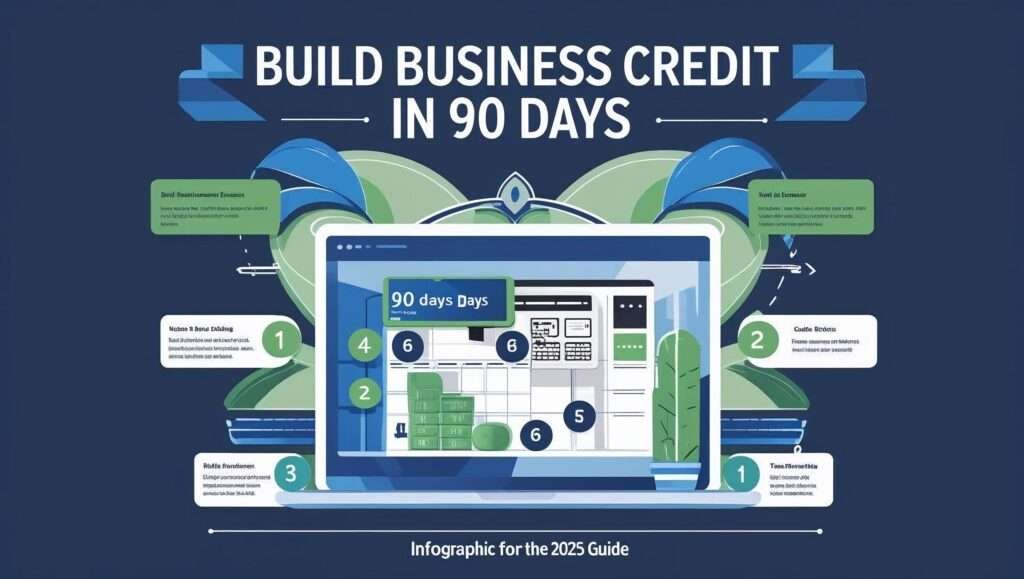
Days 1–30: Laying the Legal & Financial Foundation
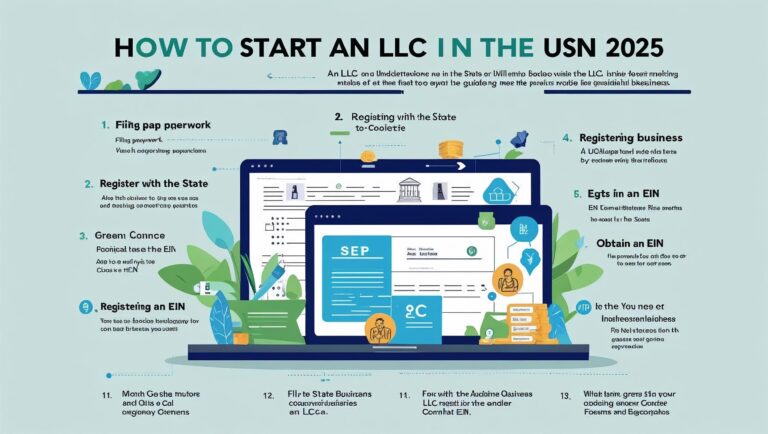
Start with the basics: formally incorporate your business as an LLC or corporation and obtain an EIN from the IRS, which serves as your business’s tax identifier. Next, secure a D-U-N-S number from Dun & Bradstreet to ensure your business is uniquely registered with key bureaus NavInvestopedia. Once incorporated, open a dedicated business checking account—preferably with a bank that reports activity to business credit bureaus. If you qualify for platforms like HSBC Premier Banking USA, you gain access to corporate-level accounts and consolidated financial visibility, supporting faster credit establishment HSBC USAHSBC Business.
Days 30–60: Initiating Early Tradelines & Credit Activity
With your foundation set, start building credit lines that report: secure Net-30 vendor accounts such as Crown Office Supplies, Wise Business Plans, or Uline, which report payment activity to bureaus Credit SuiteRamp. Simultaneously, apply for a business credit card, ideally one with no personal guarantee, like Brex or Ramp, maintaining separation between personal and business credit The Modern Savvy CPAStatrys. Ensure every vendor invoice and card payment is logged and paid on time—or early—to establish a strong payment history, which underpins credit scoring algorithms like Dun & Bradstreet’s PAYDEX NavInvestopedia.
Days 60–90: Monitoring, Strengthening & Scaling
By now, your foundational tradelines should begin reflecting in your business credit reports. Use tools like Nav, CreditStrong, or Ramp’s monitoring features to track score updates, disputes, and alerts NavBrex. Consider adding credit builder accounts, where you deposit and the account reports as a revolving tradeline—helpful when traditional credit is limited Nav. If applicable, explore association or micro-group plans that provide access to credit at better terms, though be mindful of compliance rules The Modern Savvy CPA. Maintain low utilization, consistent reporting information, and avoid multiple simultaneous credit applications BluevineInvestopedia.
Comparison Table: Quick Business Credit-Building Path
| Phase | Key Actions | Goal |
|---|---|---|
| Days 1–30 | Incorporate + EIN + D-U-N-S + Business Account | Establish legal and financial identity |
| Days 30–60 | Net-30 vendor accounts + Business Credit Card | Begin reporting tradelines |
| Days 60–90 | Monitor + raise credit access + builder accounts | Review credit profile & solidify score |
Virtual Credit Tradelines from AI-Powered Platforms
Some 2025 fintechs offer AI-driven “synthetic” tradelines—funded by your own deposit—that report rotating credit lines to bureaus. This boosts reporting volume rapidly without debt.
Quarterly TradePay Buffers from HSBC for Credit Stability
HSBC TradePay, originally designed for tariffs, doubles as a short-term credit buffer. Self-employed founders can channel supplier payments through TradePay to manage cash flow while keeping vendor accounts current, indirectly strengthening credit rhythm Business Insider.
Leverage Vendor Relationships for Invisible Credit Building
One often-overlooked strategy for accelerating business credit in just 90 days is cultivating relationships with net-30 vendors who report to commercial credit bureaus. Many small business owners make the mistake of only focusing on loans and credit cards, but establishing early trade lines with suppliers like Uline, Grainger, or Quill can quietly strengthen your credit profile without taking on high-interest debt. The hidden advantage here is that these transactions mimic responsible borrowing — showing consistent purchases and timely payments — which builds trust with creditors. By stacking 3–5 vendor accounts that report within the first month, you create a rapid “credit history snowball” effect. This means that by day 90, your business can have a solid credit foundation strong enough to qualify for higher-limit cards, low-interest loans, or even equipment financing, all without personal guarantees.
Leverage Trade Credit Before You Need It
Most new business owners wait until they desperately need funding to start applying for credit — which is the worst possible time. Lenders sense urgency, and urgency can look like risk. A hidden but powerful tactic is to build trade credit while your cash flow is stable. Approach vendors who already supply your business and negotiate net-30 or net-60 payment terms, even for small orders. This not only keeps your utilization low but also helps you establish a history of on-time payments long before you ask for larger financing. Think of it like planting seeds in fertile soil — by the time you actually need a loan or line of credit, you’ll already have the relationships, history, and trust in place to get approvals faster and at better rates.
Create a Credit Layering Strategy
Most entrepreneurs focus only on opening one or two credit accounts, but the real key is layering. Start with vendor tradelines (like Uline or Grainger), move to retail credit (like fuel cards or office supply accounts), then graduate to fleet cards and small business credit cards. The “layering” effect builds your business credit profile across different credit categories, which dramatically increases your Paydex score and lender confidence. A hidden bonus? If you rotate small purchases across all accounts and pay them in full each month, you appear active, responsible, and low-risk — which can quietly unlock pre-approved funding offers in as little as 90 days.
Early Trade-Ins & Dynamic Discounting as Credit Accelerators
Beyond traditional net-30 vendors, self-funding trade-ins using dynamic discounting platforms can rapidly establish strong trade relationships. In 2025, a handful of smart procurement tools let businesses negotiate early payments in exchange for discounts—while the transacted amounts report positively to credit bureaus. This dual benefit boosts liquidity, builds a trustworthy pay pattern, and demonstrates proactive financial behavior. It’s a little-known credit accelerator that creates a positive payment trail without incurring debt or waiting for typical invoice cycles. Wikipedia
Collaborative Finance Nodes to Build Credit via Mutual Vouchers
A genuinely under-the-radar method is collaborative finance—where freelancers or micro-enterprises pool credit indirectly through mutual voucher networks. Modeled on digital ROSCAs, these platforms allow members to issue “credit vouchers” that act as short-term working capital, with settlement and payment accountability coordinated within the group. Although still niche, certain fintech pilots in 2025 validate the transactions to credit bureaus, helping micro-businesses exhibit transactional history and payback reliability. Because it’s novel and community-driven, this strategy is rarely discussed—but it’s a forward-thinking method for building credit where formal lenders hesitate. Wikipedia
Frequently Asked Questions (FAQ)
Q: Can you build business credit without using personal credit at all?
Yes. By using tools like Net-30 accounts, builder products, and business-only lines, you can gradually decouple business credit from your personal profile The Modern Savvy CPANovo.
Q: How fast will credit reflect in my report?
Typically 30 to 60 days after first tradeline activity. Full, robust credit takes 6–12 months, but clear foundational records can form a profile in 90 days Statrys.
Q: Do I need a business bank account that reports to bureaus?
Yes. A bank that reports helps bureaus connect your payment history and reinforces credibility—but even accounts that don’t report still contribute indirectly through tradeline payments.
Q: Can HSBC Premier Banking help you build credit faster?
While it doesn’t directly build credit, HSBC Premier offers financial stability, global account structures, and credit visibility that set the stage for higher credit opportunities and smoother funding flows HSBC USAHSBC Business.
Conclusion: From Zero to Credible in 90 Days
Building a business credit profile in 90 days is achievable with strategic planning, accurate reporting, and disciplined financial habits. You begin by legally structuring your business and getting an EIN and D-U-N-S number. You then secure vendor tradelines and a business card that report payment data, pay promptly, and monitor your progress. Hidden tools and smart bank relationships like HSBC Premier enhance your infrastructure and funding options. Done right, this journey equips your business with credibility, capital access, and separation from personal financial risk—setting you up for long-term growth and stability.