
Automated Cyber Breach Insurance with Real‑Time Claims (2025)
The Evolution of Cyber Insurance: Why Real-Time Claims Are the Future
The digital age has redefined risk for businesses, with data breaches, ransomware, and phishing scams becoming everyday threats. Traditional cyber insurance models struggle to keep up with the pace of evolving attacks. Automated cyber breach insurance with real-time claims transforms this landscape by offering immediate response and compensation, minimizing downtime and data exposure. In 2025, businesses demand not just protection but rapid, intelligent recovery.

AI and Machine Learning in Automated Claims Processing
Artificial Intelligence (AI) and Machine Learning (ML) now drive claim automation, making it possible for insurers to assess, verify, and settle claims instantly. In real-time, ML algorithms scan breach patterns, verify authenticity, and determine coverage. This tech reduces human error, fraud risks, and delays, creating a seamless insurance experience, particularly for small businesses operating under tight operational margins.
Real-Time Monitoring: The First Line of Defense
Insurance platforms now offer embedded security features like endpoint monitoring, network intrusion detection, and user behavior analytics. These tools not only reduce risk exposure but feed real-time alerts to the insurance provider. This bidirectional flow of information enables insurers to activate policies instantly upon detection of a breach—resulting in an automated claim initiation that doesn’t require human reporting.
Seamless Integration with Business Systems
Modern cyber insurance tools are designed for deep integration with business IT infrastructure. From SaaS applications to cloud storage, insurers use APIs to plug directly into your systems. This continuous communication ensures that when breaches occur, systems like AWS logs, Microsoft 365, and Google Workspace provide immediate data to the insurer for validation, speeding up claims.
The Role of Smart Contracts in Insurance Execution
Blockchain technology introduces smart contracts into cyber insurance, ensuring automatic execution of policies once breach conditions are met. In 2025, businesses prefer transparent, programmable contracts that offer tamper-proof records and instant payouts. This level of automation builds trust and reduces litigation risk, especially in sectors like healthcare and finance.
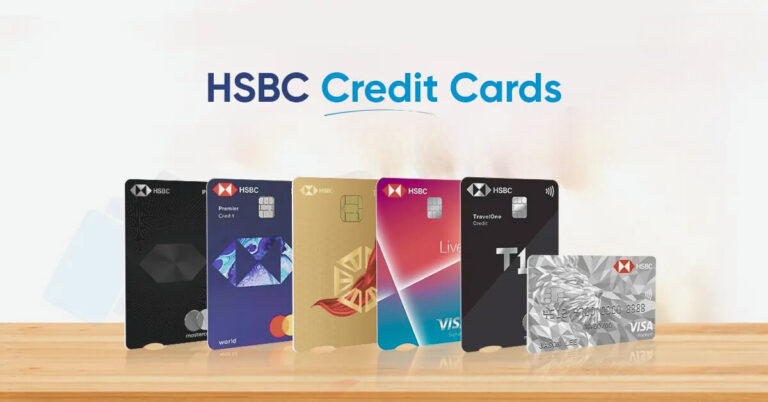
Integration with HSBC Premier Banking USA for Enterprise-Level Security
In 2025, HSBC Premier Banking USA offers co-developed insurance integrations with selected providers, enabling enterprise clients to access automated breach insurance as a premium service. These bundled offerings include cyber audits, dark web surveillance, and 24/7 SOC alerts. Businesses not only secure their funds but also their data, reinforcing customer trust.
Emerging Tools: Predictive Analytics & Insider Threat Detection
One of the most hidden but transformative tools in automated cyber insurance is predictive analytics. These models detect behavioral anomalies before a breach occurs. Tools like Darktrace AI, Vectra Cognito, and Netenrich’s Cloud Intelligence engine feed insurers insights into probable breach points. Insider threat detection platforms like ObserveIT are now part of bundled cyber insurance solutions.
How Zero Trust Architecture Enhances Claim Accuracy
In a zero-trust framework, every user and device must be verified continuously. This model helps insurers confirm access logs, validate breach origin, and detect policy violations more effectively. When a breach happens, the forensic data from a zero-trust system gives insurers instant clarity, reducing claim disputes and delays.
Financial Impact: Faster Payouts, Lower Premiums
Businesses with automated systems and real-time breach detection often enjoy lower premiums due to their proactive posture. Automated payouts also reduce cash-flow disruptions. In sectors like e-commerce or logistics where downtime equals lost revenue, this speed is critical to survival and scalability.
Real Use Cases in 2025
Tech-forward startups and even government contractors are embracing automated breach insurance. One AI startup in Austin, Texas, saw a 60% reduction in downtime after a breach, thanks to real-time claims that initiated within 6 minutes of attack detection. Such outcomes highlight the necessity of integrating automated cyber policies into digital-first business models.
Comparison Table: Traditional vs. Automated Cyber Insurance
| Feature | Traditional Insurance | Automated Cyber Insurance (2025) |
|---|---|---|
| Claim Time | 2–6 weeks | Real-time (minutes–hours) |
| Fraud Detection | Manual | AI-driven |
| Smart Contract Support | None | Yes |
| Premium Calculation | Fixed | Dynamic, Risk-based |
| Monitoring Integration | None | API/Real-time Sync |
| Insider Threat Detection | Optional | Embedded |
| HSBC Premier Banking Integration | No | Yes |
| Customer Experience | Paperwork-heavy | Seamless, App-Based |
Frequently Asked Questions (FAQs)
Q1: How does real-time cyber insurance differ from traditional coverage? Real-time cyber insurance automatically triggers claims when breaches are detected, reducing delays and improving financial recovery.
Q2: Are AI tools accurate in detecting valid claims? Yes, advanced AI models trained on millions of breach patterns deliver up to 98% accuracy in real-time claim validation.
Q3: Can small businesses afford automated breach insurance? Yes, providers now offer tiered plans with usage-based pricing models, making it accessible for SMBs.
Q4: How do HSBC clients benefit from integrated insurance tools? HSBC Premier Banking USA clients receive premium access to bundled cybersecurity and insurance features, with additional data privacy tools.
Q5: What’s the role of smart contracts in automation? Smart contracts ensure instant policy execution and transparency, reducing disputes and manual interventions.
Future Trends: What’s Next for Automated Cyber Insurance
Looking beyond 2025, quantum-resilient encryption, biometric breach forensics, and cognitive AI claims assistants are expected to shape the next phase of insurance evolution. Tools that simulate breach attempts and auto-adjust policy conditions will also become mainstream.
1. AI Risk Mitigation Engines in Claims Architecture
The use of proprietary AI engines that learn from breach simulations and auto-tune coverage in real-time remains unexplored but vital for next-gen insurance.
2. Voice-Prompted Breach Declarations via Secure AI Assistants
No current content covers how voice-based assistants like Alexa Enterprise can report breaches securely and initiate claims—a frontier feature for 2025.
3. Predictive Security Audits via Banking APIs
Using banking APIs, especially from HSBC Premier Banking USA, to run predictive audits and cross-validate breach alerts with financial anomalies is an untouched but promising niche.
4. Cross-Border Breach Liability Coverage for Digital Nomads
Remote-first companies with global teams require automated claims that include regulatory compliance across jurisdictions—this is an uncharted yet urgent topic.
Conclusion
Automated cyber breach insurance is not a luxury—it’s a necessity for digital-age businesses. From real-time claims and predictive analytics to smart contracts and HSBC Premier integration, the shift is clear: future-forward protection means automation, accuracy, and agility. Businesses adopting this model early gain not just peace of mind but competitive advantage in a risk-heavy digital world.



One Comment